Why does ChatGPT feel worse than it used to?
If ChatGPT feels worse than it did six months ago, you’re not imagining it and you’re not being paranoid. But the reason isn’t the one in most of the angry threads.
The model answering you today is not the model that answered you last winter, even when the name on the screen hasn’t changed. OpenAI updates what sits behind a name, and sometimes it removes a model altogether. Meanwhile something else has been moving that nobody mentions: you.
The essentials:
- The model behind a name gets updated without the name changing, and older models do get retired.
- The study everyone cites as proof got re-run by its own authors on a fairer test, and the famous number shrank a lot.
- Three settings explain most sudden drops in answer quality, and you can change all three.
Is ChatGPT actually getting worse?
Not overall, but it does change under you, and some of those changes are downgrades for the way you personally use it.
Two things get muddled here. One is capability: what the model can do at its best. The other is behavior: what it actually does when you ask, which depends on tone tuning, safety limits, how much thinking it spends, and which model you got. On the benchmarks the labs publish, capability has kept climbing. Behavior swings around, and behavior is what you feel.
What changes without you noticing?
More than most people realize, and OpenAI publishes it. Its release notes are a running list, and reading a few months of them explains most of the complaints.
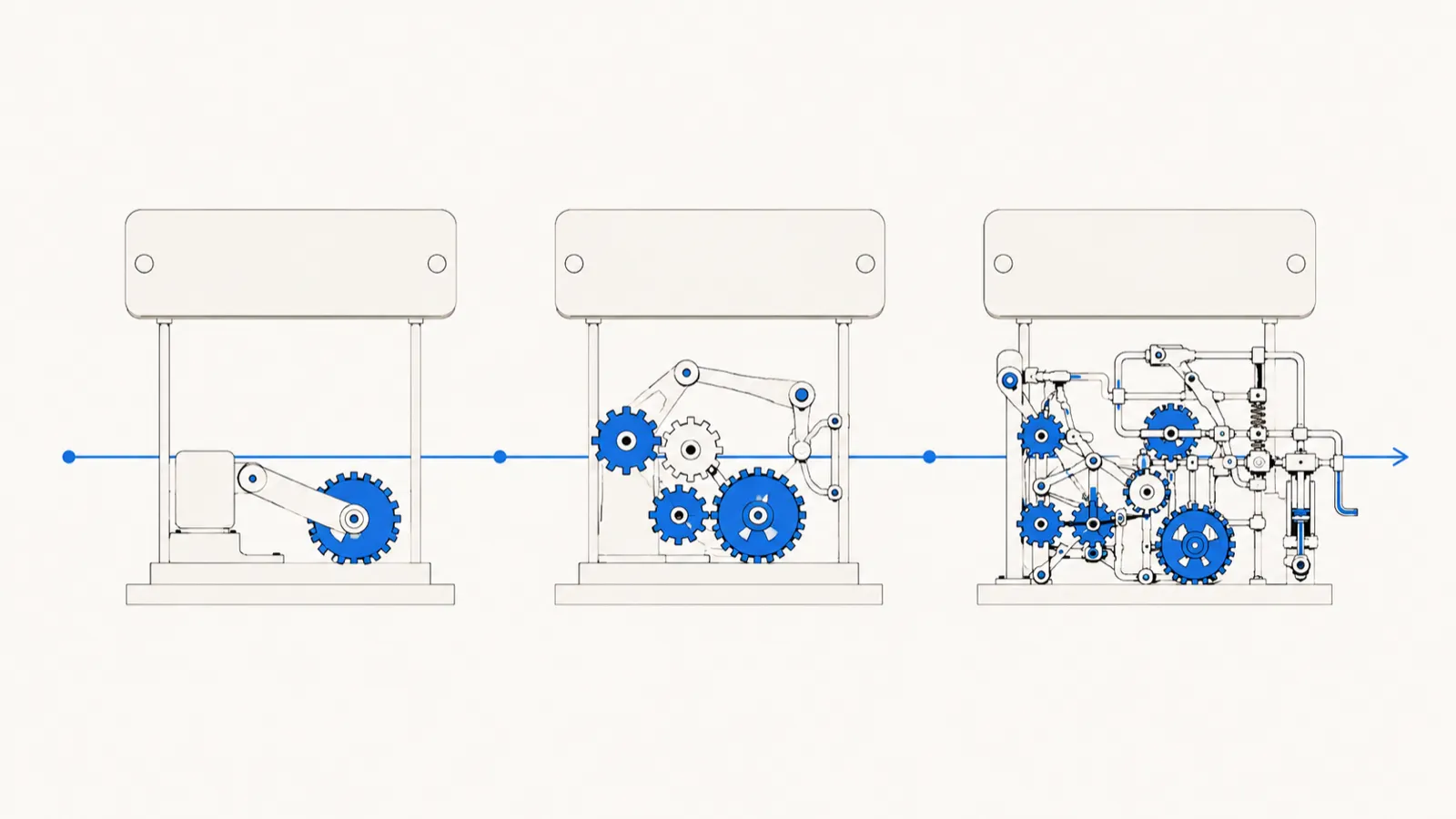
The model behind the name gets replaced. On June 24, 2026, OpenAI updated GPT-5.5 Instant, which it describes as its most-used model in ChatGPT. The name didn’t change. The thing you’re typing into did. This happens repeatedly, and it’s why a tool can feel different on a Tuesday for no visible reason.
Old models get retired. On February 13, 2026, OpenAI removed GPT-4o, GPT-4.1, GPT-4.1 mini and o4-mini from ChatGPT, and said GPT-5 Instant and Thinking were going the same way. If the version you liked was one of those, it isn’t sitting behind a menu somewhere. It’s gone.
The personality gets retuned centrally. In January 2026, OpenAI updated GPT-5.2 Instant’s default personality to be more conversational and better at adapting its tone. That’s a deliberate change to how it talks to you, decided by someone else, applied while you slept.
None of this is hidden. It’s just published somewhere nobody reads, in language written for people who already follow this stuff.
Didn’t a study prove ChatGPT got dumber?
The honest answer here is more interesting than either side of the argument.
In July 2023, three researchers — Lingjiao Chen, Matei Zaharia and James Zou — posted a paper called “How is ChatGPT’s behavior changing over time?” They tested the March and June 2023 versions of GPT-3.5 and GPT-4 on the same tasks. One result went everywhere: on identifying prime numbers, GPT-4 scored 97.6% in March and 2.4% in June. A near-total collapse. It became the internet’s proof that the thing was being quietly gutted.
Then the authors kept working, because that first test had a hole in it. It only asked about numbers that really were prime. Grade a model that way and one which answers “yes, prime” to everything scores 100%, while one that answers “no” to everything scores almost zero — you’re measuring its mood, not its arithmetic. So in the version they posted in August 2023 they added 500 composite numbers and ran it again. On that fairer test, GPT-4 went from 84% to 51%.
Notice what did and didn’t happen there. They didn’t retract anything, and the drop survived. What changed is that the honest version of the test produces a far less dramatic number, and the honest version is not the one that gets shared. Their actual conclusion was never “the model got dumber” either. It was more careful: the behavior of the same service can change a lot in a short time, so it needs watching. The corrected version is also the one that lasted: the paper was later published in the peer-reviewed Harvard Data Science Review in March 2024, with the same 84% and 51% figures. The viral 97.6-to-2.4 collapse came from the first version, which the authors themselves superseded within weeks. The number that survived scrutiny is the modest one.
One more thing from that same paper, which almost never gets quoted: on some tasks the models got better over those months. GPT-3.5 improved at the very math task where GPT-4 slipped. Drift goes both directions. Only one direction goes viral.
Why does it feel worse to you specifically?
Because you moved too, and nobody notices themselves moving.
When you first used it, you asked easy questions and were amazed. Now you hand it the awkward jobs, the ones with five constraints and a deadline, because you’ve learned what it’s for. Same tool, harder work, thinner margin for error. That alone reframes “it got worse” as “I got more demanding,” and both can be true at once.
Two other honest culprits. Long conversations drift. A model can only hold so much of a chat in view at once, so in a very long one the earliest parts get crowded out, which reads as forgetting. And confident wrong answers stand out more once you know enough to catch them, which is a different problem we covered in why ChatGPT makes things up.
How do you make ChatGPT better again?
Three settings, and the first one is the one most people never touch.
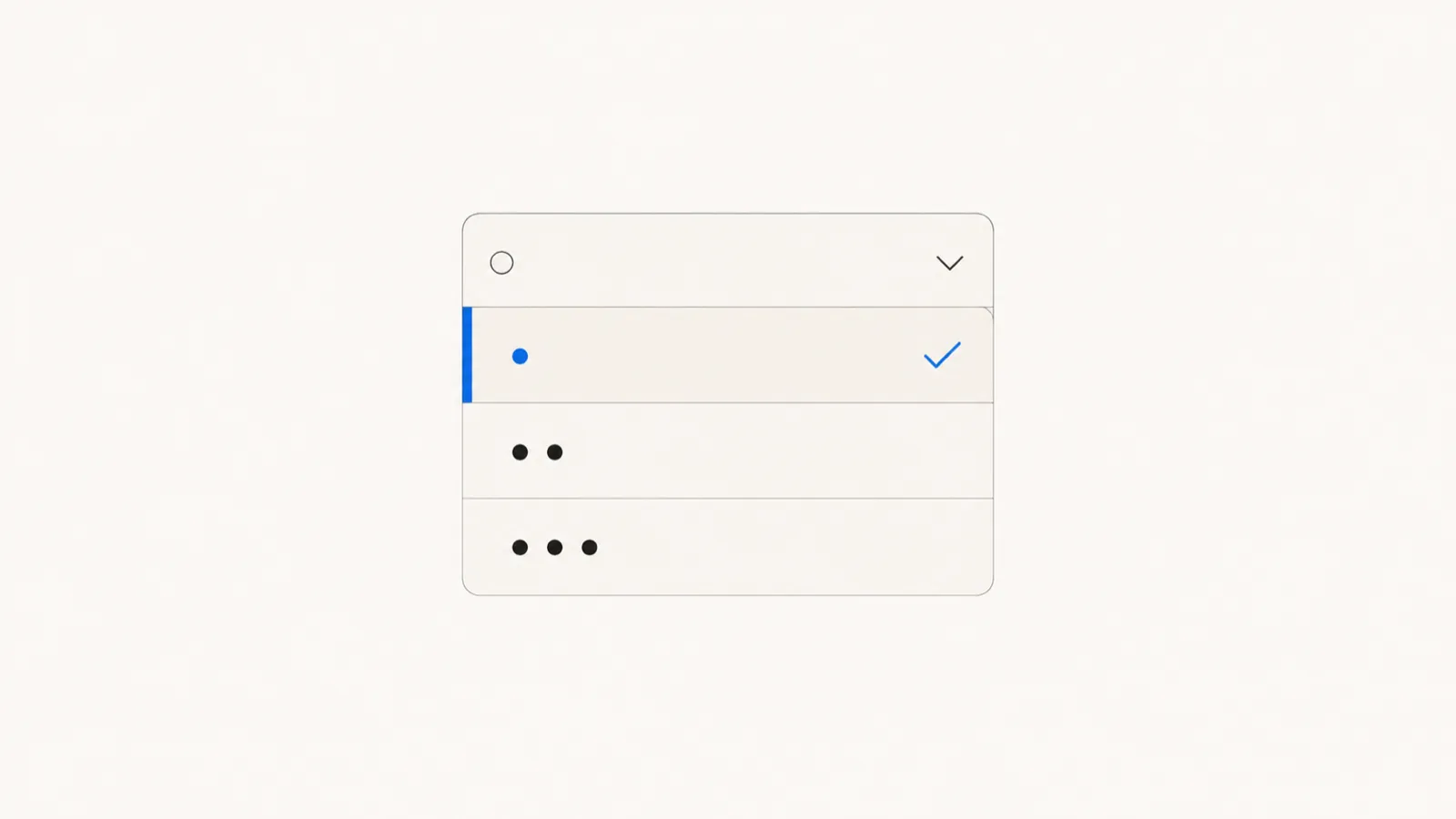
Check which model you’re on — if your plan lets you. Since June 10, 2026, the picker on paid plans offers Instant, Medium and High, plus extra tiers on Pro. Instant is tuned for speed. If you’re asking something that deserves thinking and you’re on Instant, you get an Instant-quality answer. On the web the picker sits in the message box; on phones, OpenAI says, it’s at the top of the conversation. On a free account, don’t go hunting for it: we checked the Android app on August 23, 2026, and there’s no model menu anywhere — ChatGPT decides for you, which is one more thing changing under you that you can’t see.
Check the auto-switch. There’s a setting deciding whether Instant automatically steps up to Medium when a question needs more reasoning. It lives under General in Settings. If it’s off, nothing rescues you from a bad model choice.
Check Fast answers. Added in April 2026, it returns quick replies to common factual questions. OpenAI states plainly that Fast answers don’t reference your past chats or memory, so a question you expected to be personalized can come back generic. You’ll find the switch under Personalization, alongside base style and tone, and the warmth and emoji controls that get you closer to a personality you liked.
After that it’s craft, not settings. Say what you want the answer to look like, give it the constraints up front, and start a fresh chat when a long one starts wandering. Our guide to writing better prompts covers the habits that matter most, and if answers have started arriving weirdly personal or weirdly generic, what ChatGPT remembers about you explains why.
One habit is worth building on top of all this. When ChatGPT suddenly feels different, check the date. OpenAI publishes what it changed and when, so a bad week is usually traceable to a line in the release notes rather than to anything you did. That won’t stop the changes. It will stop you wondering whether you’re losing your mind. More habits like it live in our Using ChatGPT guides.
Frequently asked questions
Is ChatGPT actually getting worse, or is it just me?
Both, and in different proportions than most people assume. The part that isn't you: OpenAI updates the model sitting behind a name without renaming it, and it retires older models outright, so the thing answering you in June isn't the thing that answered you in January. The part that is you: your expectations climb, and the jobs you hand it get harder as you get more comfortable with it. A tool that stays the same while you get more demanding feels like a tool that's slipping.
Did a study prove ChatGPT got dumber?
A widely shared one did, and then its own authors ran a better version of the test. In July 2023, Lingjiao Chen, Matei Zaharia and James Zou reported that GPT-4's accuracy on a prime number task fell from 97.6% to 2.4% between March and June 2023, and that collapse went viral. But that test only asked about numbers that really were prime, so a model answering "yes" to everything would have scored 100%. In August 2023 the same authors added 500 composite numbers and ran it again: GPT-4 went from 84% to 51%. A real drop, on a fairer test, and nothing like the number people still quote. The same paper also found tasks where the models got better.
Why are ChatGPT answers shorter than they used to be?
Check which model you're on before blaming the model. Since June 2026 the picker on paid plans offers Instant, Medium and High, and Instant is built for speed; on a free account there's no picker and ChatGPT chooses for you. There's also a setting deciding whether Instant automatically switches to Medium when a question needs more reasoning, under General in Settings. And a feature called Fast answers, added in April 2026, returns quick replies to common factual questions without using your past chats or memory. If your answers feel thin, one of those three is usually why.
Can I get the old ChatGPT personality back?
Not the old model, but you can change the tone. OpenAI retired GPT-4o and several other older models from ChatGPT on February 13, 2026, so the specific model many people miss isn't there to switch back to. What you can do is set the base style and tone under Personalization in settings, and tune characteristics like warmth and emoji use. OpenAI adjusts the default personality centrally too: it updated GPT-5.2 Instant's default personality in January 2026 to be more conversational.